Blog
Aligning design, dev, and product teams, from prototype to production.

The AI read every cell of my Excel file. It still got my business wrong.
AI can turn an Excel file into an app in one prompt. But the real business rules aren't in the cells.
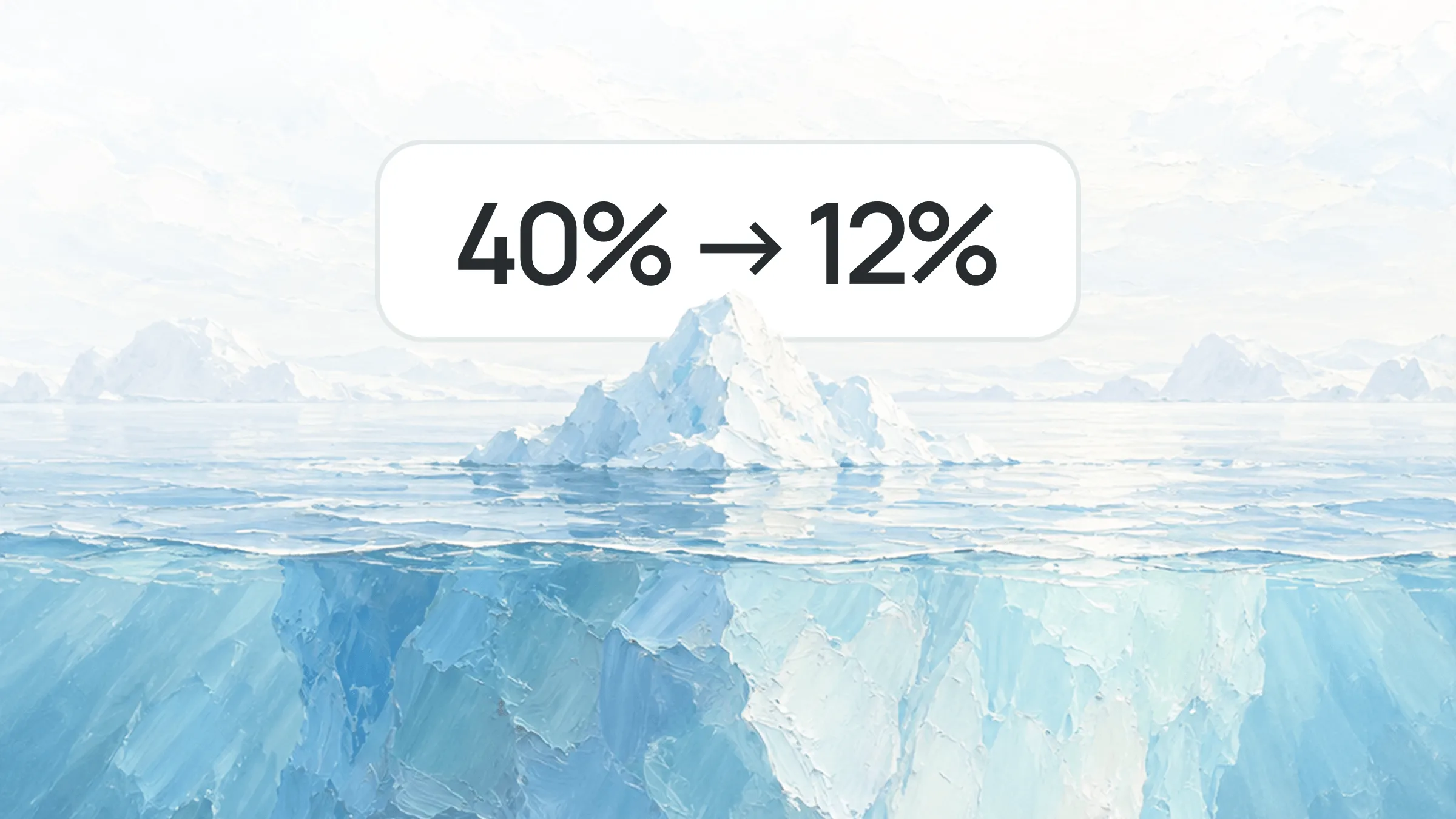
Implementation isn't the expensive part anymore
AI made coding dramatically cheaper. That doesn't make software cheaper, it just moves the cost somewhere else.
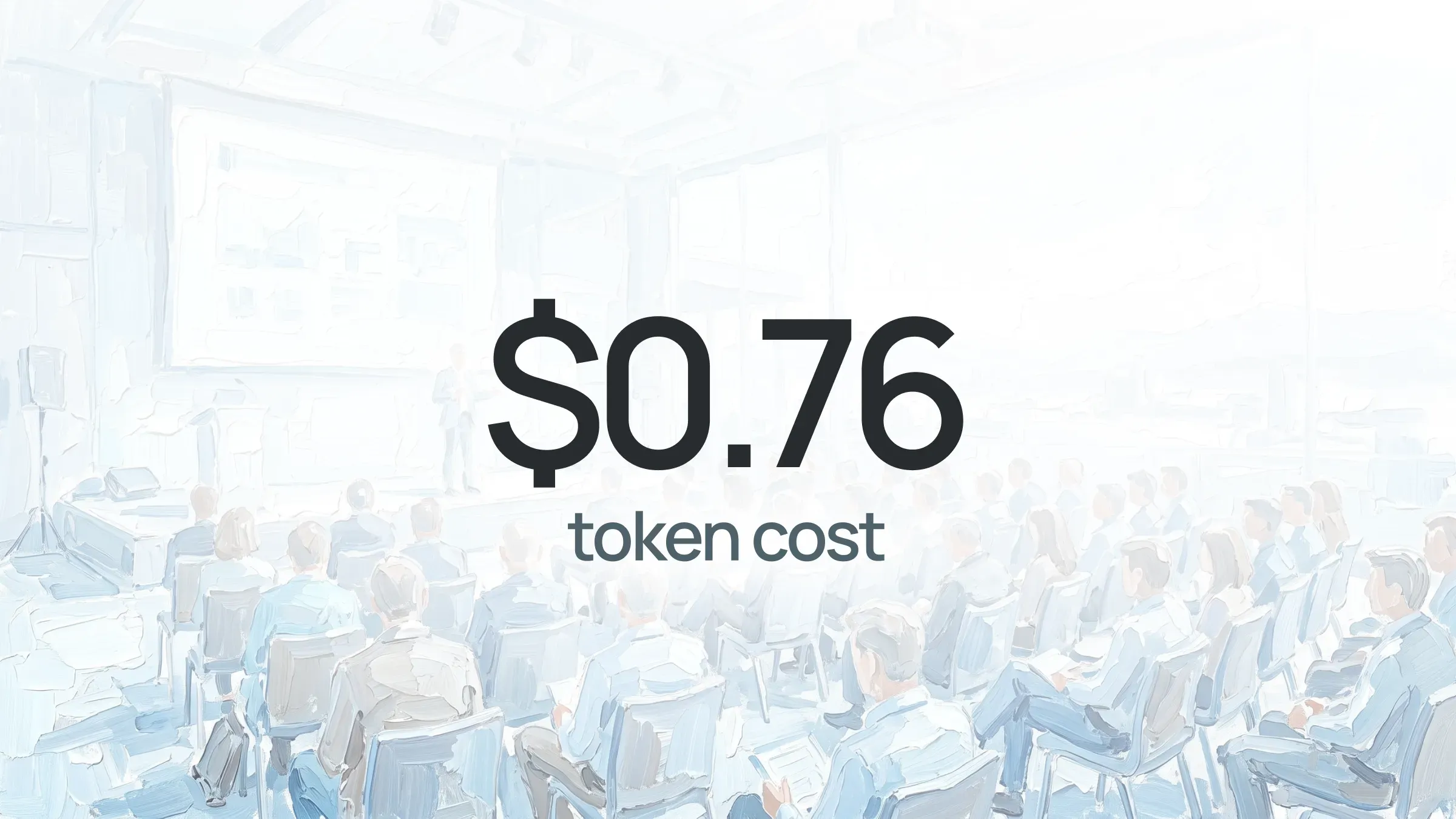
The models that ran our Peinture demos at API Platform Con
Two days of live Peinture demos at API Platform Con, all running on sub-dollar models. Here is what was under the hood, why we picked it, and what it cost.
The bottleneck has moved
Everyone's celebrating 10x faster code. Nobody's asking why nothing actually ships any faster. AI is exposing a bottleneck that was always there and the next productivity battle is decision latency.
Where Peinture began
The first chapter of The Genesis of Peinture: why we chose a French name, the problem we set out to solve, and how AI made it possible to help teams align on software ideas before they become expensive misunderstandings.
From business needs to shared product decisions
Peinture is designed for companies where software decisions involve people from different parts of the organisation. It brings everyone back to the same level of understanding: one shared space where ideas, constraints, decisions, and deliverables can be made visible, discussed and refined together.
What is Peinture?
Peinture is an orchestration platform powered by agentic AI, designed to bridge the gap between business, product, and technical teams. By turning discussions into clearer decisions and concrete deliverables, it helps companies reduce friction and overcome the common product design challenge of shared understanding.