Where Peinture began
The first chapter of The Genesis of Peinture: why we chose a French name, the problem we set out to solve, and how AI made it possible to help teams align on software ideas before they become expensive misunderstandings.
This article opens a short series titled The Genesis of Peinture.
In this series, we will tell the story of how Peinture was born, where the idea came from, what we had to clarify along the way, and how it slowly moved from an intuition to a real product.
An original name
First, its name. Peinture.
A French word in a world where most product names sound the same. It felt distinctive, memorable, and close to us.
But the ambition quickly became broader than the name itself.
Peinture is not only about “painting” interfaces. It is not just about making screens look good, or generating a visual layer on top of an idea.
It is about helping teams shape, explore and align around software ideas before they become expensive misunderstandings. And that distinction mattered from the beginning.
The goal was never to build another design tool or another generic AI assistant. Peinture had to solve a different problem: helping teams reach the same understanding before moving forward.
So why build Peinture, when so many AI tools were already starting to appear?
Because most of them were not solving the problem we had in mind.
Where the idea started
Peinture was born from a simple observation.
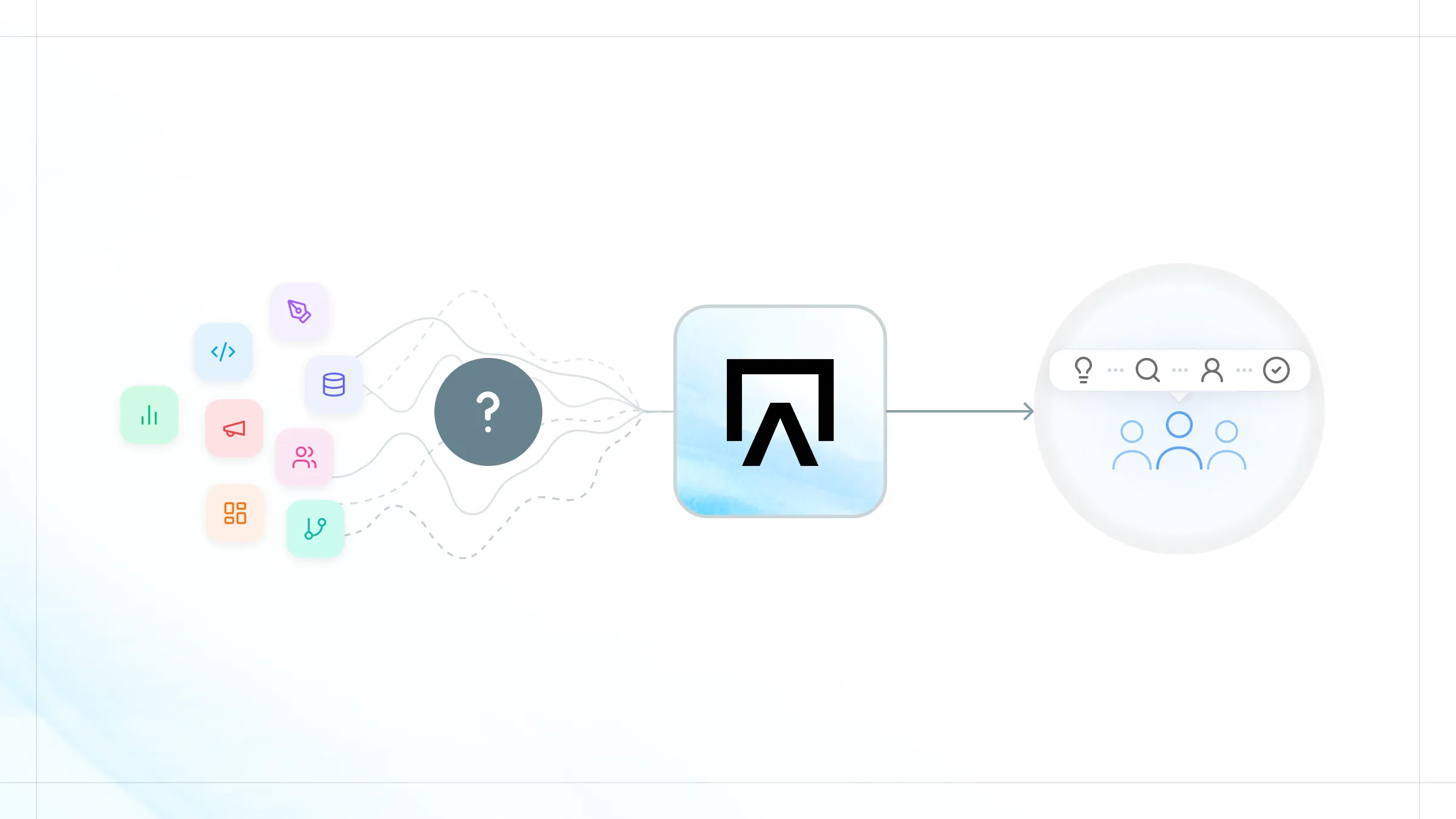
After years of product design experience, one thing became clear: ideas are easy to discuss, but much harder to make visible, testable and concrete.
Tools already existed. They could generate screens, assist developers or produce code. But they were not designed to help every stakeholder involved in a software project reach the same understanding before decisions became costly.
Many people can contribute to a software idea. But in practice, only a few have the tools and technical knowledge required to turn that idea into something the whole team can look at, challenge and improve.
So the real question became:
What if anyone involved in a software project could turn an idea into something visible, testable and discussable, without needing to master design tools, development environments or technical workflows?
The challenge was not only to generate something with AI.
The challenge was to make product thinking accessible without making it superficial.
That meant hiding complexity where it created friction, while keeping enough structure for the result to remain useful.
For example, not everyone knows what a branch, a pull request or a development environment really means. And they should not have to.
So Peinture had to translate technical concepts into a language that more people could understand. A branch, for instance, becomes an iteration: a clearer way to explore an idea, compare directions and keep the conversation moving.
The same logic applied to the environment behind the product.
At first, Peinture was designed as a desktop application, with the required development environment embedded inside it. The idea was simple: the user should not have to install, configure or understand all the technical pieces needed to make the experience work.
Peinture had to carry that complexity for them.
Why AI made it possible
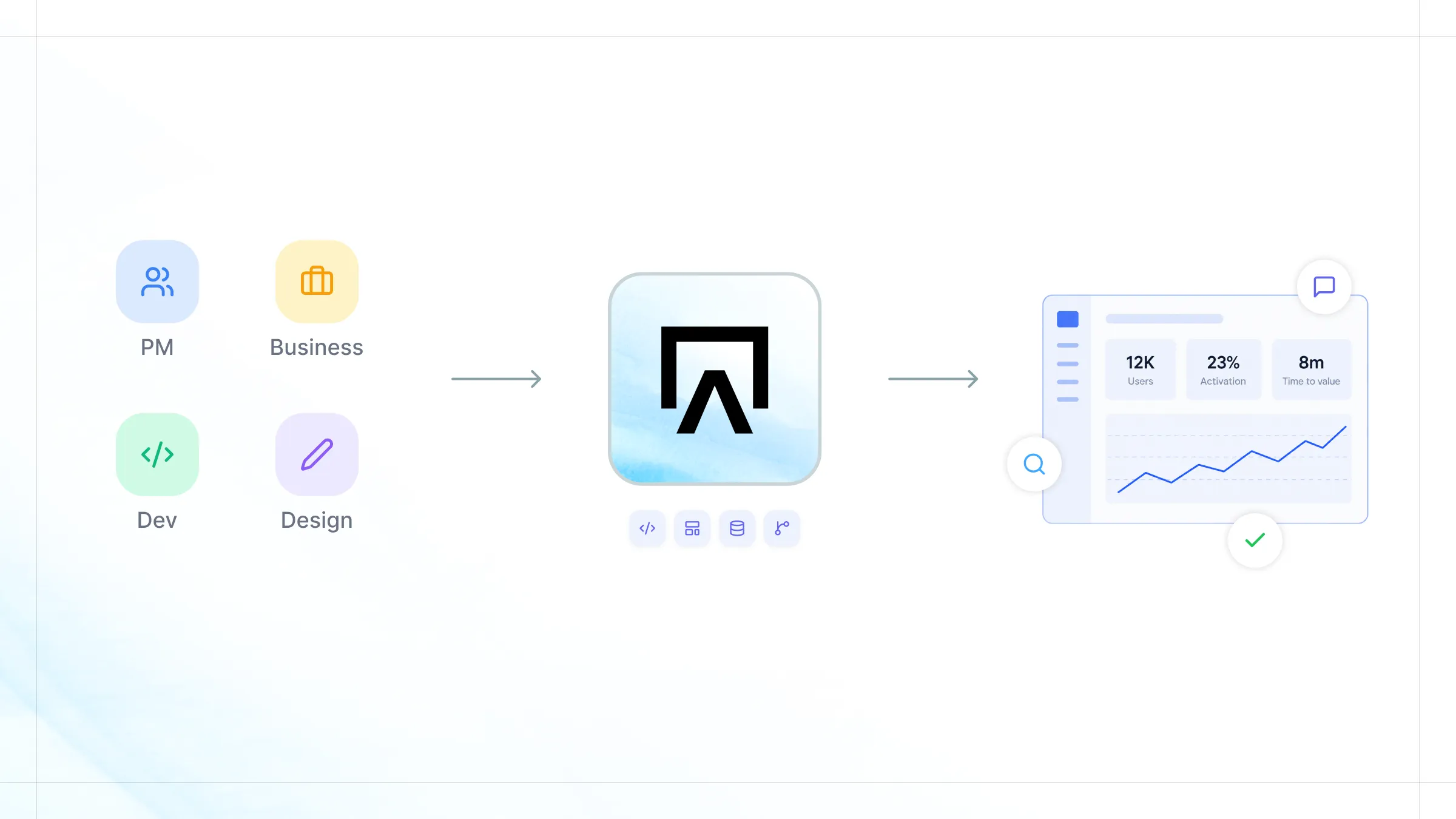
At the same time, AI was becoming increasingly capable of producing code and helping teams move faster from idea to execution.
But capability alone was not enough.
A powerful AI model can still misunderstand an intention, follow the wrong words too literally, or build too much too quickly. And when that happens, the team does not gain clarity. It simply moves faster in the wrong direction.
So Peinture could not be designed as a one-shot machine.
It had to help users think step by step.
It had to understand what people meant, not just what they typed.
It had to keep the user in control of the product direction, while making ideas easier to express, visualise and validate.
That is where Peinture really began.
Not with the idea that AI could replace product teams.
But with the conviction that AI could help them align earlier, share the same reality, and move forward with more confidence.
Peinture is still evolving, and your feedback is part of that journey.
Share your thoughts, questions or ideas with us. They help us understand what teams need and how Peinture can keep growing.